In close protection, decisions are rarely made with complete information. By the time an incident becomes visible, the most important part of it may already have happened, out of sight, earlier in time, or beyond the observer’s awareness.
This creates a critical operational challenge: At the moment of observation, an attack and an accident can look exactly the same.
A vehicle collision, a sudden deviation in movement, or a crowd surge may present identical immediate risks, regardless of whether the cause is deliberate or accidental. For the close protection officer, the distinction is often unclear—and, in the moment, irrelevant to the need for action.
Two Different Processes, One Similar Outcome
Despite appearing similar in the moment, attacks and accidents originate in fundamentally different ways.
An attack develops as a process and moves through phases; planning, reconnaissance, and execution, each involving human activity. This introduces the possibility of detection: individuals out of place, behavior that does not align with the environment, or patterns that suggest preparation. These indicators, when recognized, can provide a narrow opportunity to intervene before the attack is carried out.
An accident, by contrast, does not unfold in a way that is observable in real time. It emerges suddenly, whether through mechanical failure, human error, or environmental conditions. While its causes may exist beforehand, they typically remain hidden unless identified through preventative measures such as maintenance or inspection.
This distinction is important for preparation. Attacks are best mitigated through detection and awareness of human behavior, while accidents are reduced through reliability, discipline, and system integrity. However, once an event begins, this difference quickly loses operational value. Both can generate the same level of immediate risk to the principal.
The Observer’s Problem
For the close protection officer, the challenge lies in the moment the event becomes visible.
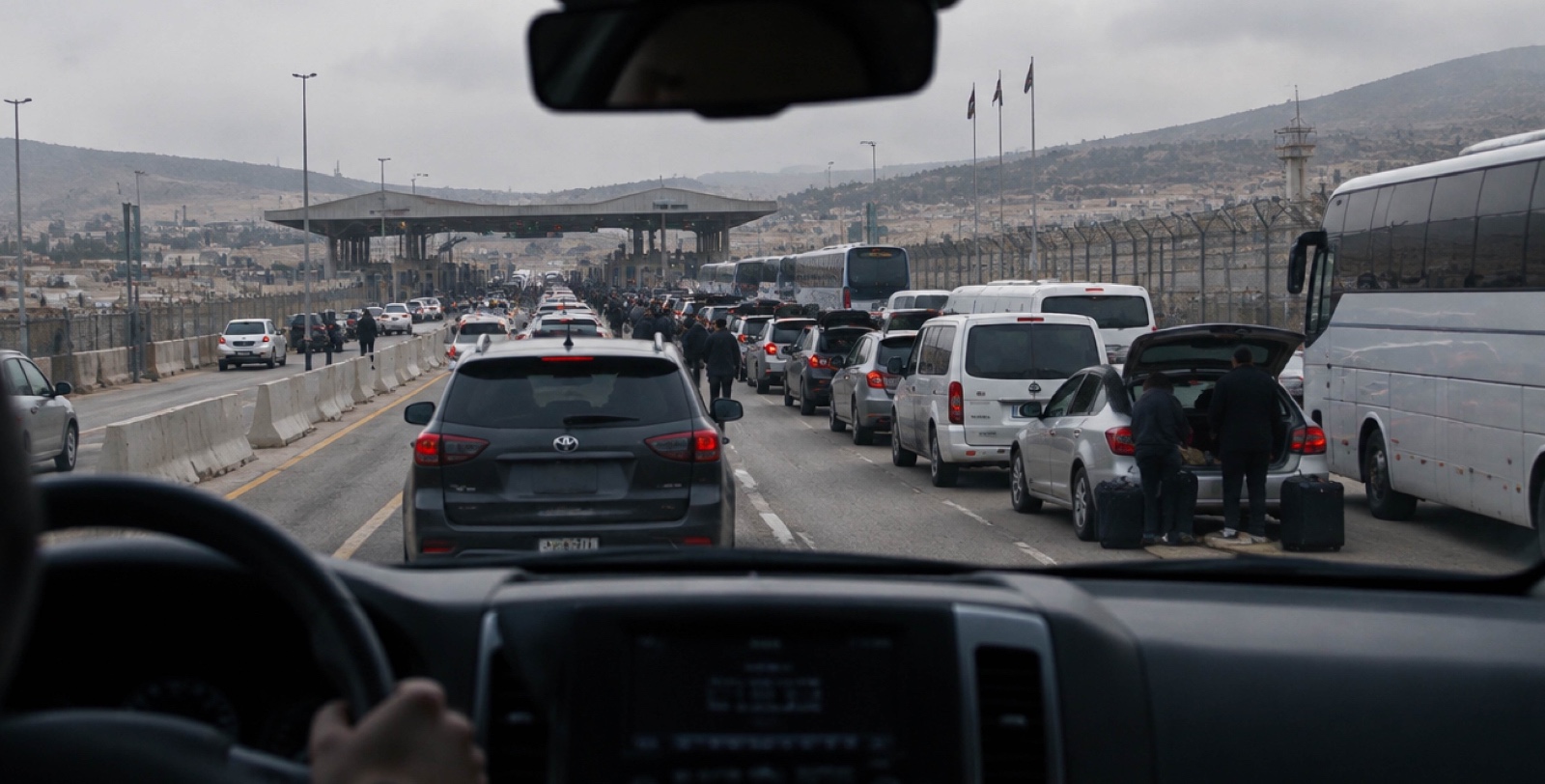
Consider a scenario: a vehicle suddenly crashes near your principal. At that instant, it could be a traffic accident, a driver losing control, a medical emergency, or a deliberate ramming attempt. The observable event is the same, while its cause remains unknown.
This reflects a key limitation: the officer is responding only to what is immediately visible, not to the full chain of events that produced it. The planning of an attack or the underlying cause of an accident lies outside that view. By the time the situation is recognized, the opportunity to distinguish intent may already be gone.
Uncertainty also works in both directions. What appears to be an accident may later prove deliberate, while an apparent attack may ultimately be explained as accidental. This creates a gray zone in which events cannot be clearly categorized at the point of response.
Preparation, Detection, and Their Limits
Because attacks and accidents arise differently, protective strategies are designed accordingly. Preventative measures, such as maintenance, equipment checks, and procedural discipline, reduce the likelihood of accidents. Detection measures, such as recognizing suspicious behavior and environmental anomalies, aim to identify attacks before they reach execution.
These approaches are effective in reducing risk over time, but they share a common limitation: they do not eliminate uncertainty at the moment an incident occurs. Even with strong preparation, the close protection officer may still face a situation where intent is unclear and time is limited.
Operational Implication: Acting Without Attribution
Traditional security frameworks are often designed to support understanding an event before determining the appropriate response. In close protection, however, this sequence is frequently compressed or bypassed due to time constraints and proximity to risk. Action must often be taken while intent remains uncertain.
Waiting for clarity introduces delay, and delay increases exposure. For this reason, response cannot depend on definitively determining whether an incident is an attack or an accident. Instead, it must be guided by the level of risk presented in the moment, with priority given to immediate protective measures that reduce vulnerability regardless of cause.
Conclusion
Attacks and accidents follow different paths, and understanding those differences is essential for preparation. However, in the moment of action, that distinction often disappears. For the close protection professional, the defining skill is the ability to act decisively under uncertainty.