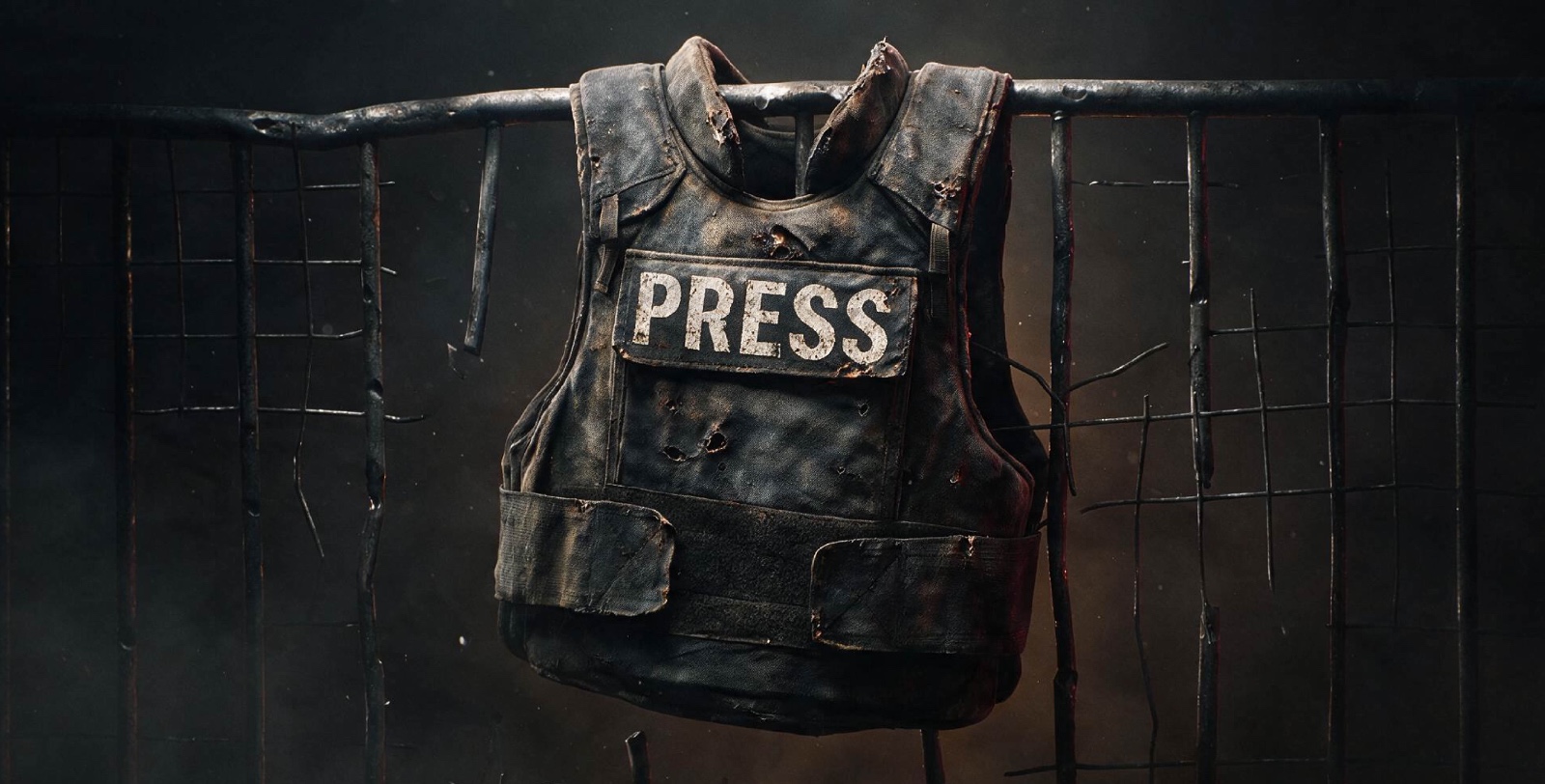
Hero Syndrome, also known as the savior or hero complex, is a psychological phenomenon in which individuals seek recognition through acts of heroism. It is often observed in public service roles such as firefighters, nurses, police officers, and security personnel. In extreme cases, this drive for validation can lead individuals to create or escalate dangerous situations just so they can resolve them—putting innocent people at risk and potentially facing criminal consequences. Even in less overt forms, the syndrome can manifest in subtle but still harmful ways.
The term gained public attention in the early 1980s, when Los Angeles police officer Jimmy Wade Pearson staged a fake bomb threat during the Summer Olympics to gain recognition and request a job transfer. He was later arrested and convicted.
The Hidden Dangers in Protective Roles
In professions like close protection, where the primary objective is the safety and security of the principal, the implications of Hero Syndrome can be particularly hazardous. The role demands discretion, foresight, and a commitment to avoidance over confrontation. However, individuals influenced by this complex may prioritize personal glory over professional duty, leading to actions that compromise the very safety they are tasked to protect.
During my Close Protection in Hostile Environments training in Oxfordshire, in the UK, a principle was instilled in us that has stayed with me to this day; a close protection officer must be a “professional coward,” not a hero. At first, the phrasing was jarring, but it's wisdom quickly became clear. The core responsibility in close protection is to prioritize the principal’s safety above all else. Confrontation must never come before ensuring their safety—ideally, it should be avoided entirely.
The fundamental objective of close protection is not glory, it is prevention. Our foremost responsibility is to anticipate danger, avoid escalation, and extract the principal from harm’s way before confrontation becomes necessary. However, I’ve observed that many colleagues unconsciously embrace a “hero mentality,” seeking opportunities to engage threats directly rather than prioritizing strategic withdrawal or de-escalation. This mindset, though often driven by adrenaline or pride, runs counter to the true ethos of the profession.
Close protection is built on three foundational pillars: preventing, preserving, and protecting—ideals that are best achieved through foresight, discipline, and discretion. Heroism in this field is not measured by dramatic stand-offs, but by the quiet success of ensuring nothing happens at all.
Example of Subtle Manifestations in Close Protection
Consider a scenario where an executive protection (EP) agent, reacting to a verbal insult directed at their principal, chooses to physically confront the offender. This impulsive act escalates into a public altercation, drawing attention and potentially endangering the principal. Here, the agent's desire to display valor overrides their primary responsibility: the principal's safety.
While the intent may seem protective, the agent's response reveals a dangerous shift from professional discipline to personal ego and validation—perhaps even subconsciously. This lack of self-awareness doesn't excuse the behavior, but it does highlight a critical responsibility on the part of employers: to recognize and screen for such tendencies in lower-stakes settings, before they emerge under pressure.
The Underlying Psychology
At the heart of Hero Syndrome lies a complex interplay of psychological factors. Individuals may possess an unconscious need to be needed, appreciated, or valued, leading them to seek situations where they can demonstrate their indispensability. This drive can result in overextension, burnout, and, in extreme cases, deliberate creation of crises.
Moreover, the syndrome often intertwines with narcissistic tendencies, where the individual's self-worth becomes tied to their perceived heroism. This can manifest in behaviors aimed at garnering admiration, even at the expense of others' well-being.
Final Thoughts
Recognizing the risks associated with Hero Syndrome, many organizations that operate in high-stakes environments—such as FEMA, the military, and international aid organizations like the Red Cross—incorporate psychological screening during recruitment and training. These assessments are designed to identify traits such as narcissistic tendencies or a compulsion for recognition, which can compromise judgment and endanger others under the guise of valor.
Hero Syndrome, in its various forms, poses significant challenges in professions dedicated to the safety and well-being of others. By understanding its manifestations and underlying motivations, organizations can implement strategies to ensure that the focus remains on protection, not performance.