When arranging transportation for operations in tourist destinations, the focus is often placed on the visible elements: the vehicles, the routes, and the logistics. What is often overlooked is the human factor behind the service.
Drivers and close protection personnel are critical frontline operators whose incentives and working conditions directly influence safety, service quality, and operational security. At its core, this is an insider-risk issue: the individual with the greatest access to your movement plan can also become its weakest point, particularly when compensation structures, local market dynamics, and financial pressures are not properly understood or managed.
The false assumption: expensive means reliable
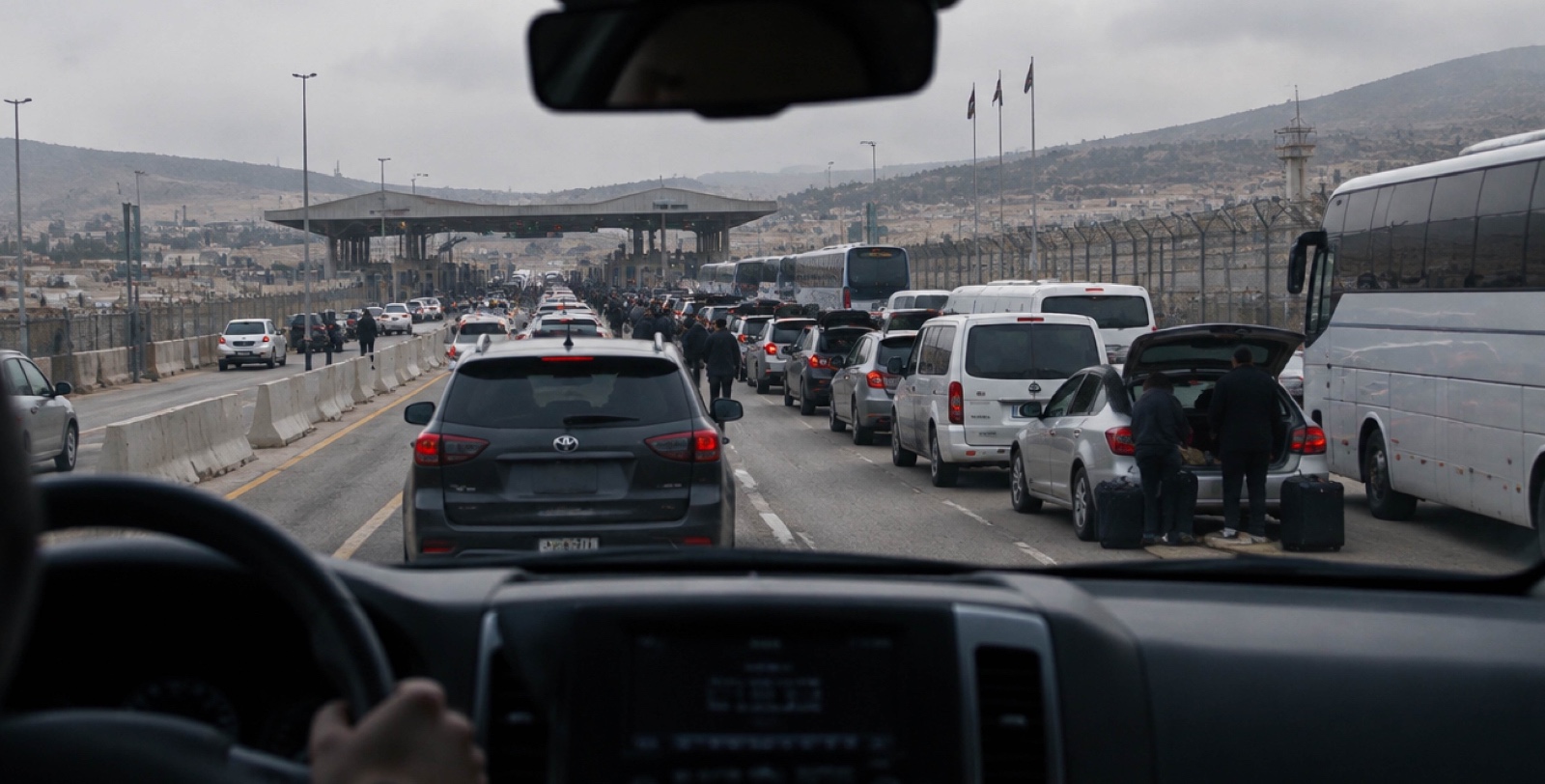
During a major international event in a popular tourist destination, we sourced transportation through local partners who were charging approximately $1,200 per vehicle per day, an exceptionally high rate driven largely by market monopoly and event demand.
When operations began, however, the quality of service fell well below expectations. Drivers appeared disengaged, visibly frustrated, and poorly presented, while overall service standards were inconsistent and unprofessional. At first glance, many clients might conclude that this simply reflects the local operating environment.
That would have been the wrong conclusion.
The real problem was hidden beneath the contract
Rather than accepting poor performance as inevitable, we investigated further and spoke directly with the drivers. We learned that many were being paid as little as $8 per day, an already inadequate wage made significantly worse by 16-hour shifts during the event. Their frustration was not cultural; it was structural. Poor compensation naturally translated into poor morale, diminished professionalism, and ultimately poor service delivery.
Once the root cause became clear, we intervened directly by supplementing driver wages ourselves and ensuring welfare support, including meals and reasonable working conditions. The improvement in performance was immediate and significant.
The lesson was clear: premium pricing does not guarantee that the people delivering the service are properly supported or incentivized.
The second hidden risk: unofficial income streams
In many tourism-driven markets, drivers receive no salary at all; instead, they rely almost entirely on informal income mechanisms. Their actual earnings depend on tips or on “brokering” arrangements, in which drivers receive payment from restaurants, souvenir shops, nightlife venues, or other local vendors in exchange for directing clients to those establishments.
This structure creates predictable behavioral patterns, including:
- unnecessary route deviations
- pressure to visit “recommended” locations, in some cases including inappropriate or illicit environments
- avoidable delays and reduced operational efficiency
When a driver ends the day without tips or brokering income, they may effectively receive no meaningful income. This creates financial pressure, which in turn introduces operational risk. A driver operating under such conditions may begin making decisions based on personal financial survival rather than operational discipline. This is often where service quality deteriorates, and where security risk emerges.
Why corporate partnerships alone are not enough
Many organizations assume that working with established providers eliminates these risks. This is not necessarily the case.
A formal corporate partner does not guarantee fair labor practices, adequate compensation, or operational discipline. In some cases, providers act as intermediaries, extracting margin while pushing the pressure downward onto frontline staff. As a result, clients may pay premium rates while unknowingly inheriting hidden operational vulnerabilities.
Our Risk Mitigation Approach in Practice
To address these risks, we move away from assumptions and focus on verification and direct control.
- We do not assume drivers are paid fairly, we verify it. Where necessary, we request evidence of payment structures and staff compensation models.
- In some environments, we recruit vetted freelance drivers directly and define compensation standards ourselves.
- In higher-risk operations, we may also hire drivers independently and source vehicles separately. This gives us direct control over the most critical operational variable: the human operator.
In our experience, most personnel want to perform well. When performance fails, the root cause must be examined. Security is rarely compromised by what is visible. It is compromised by what is overlooked: misaligned incentives, hidden financial pressure, and assumptions that were never challenged.